Support Solutions

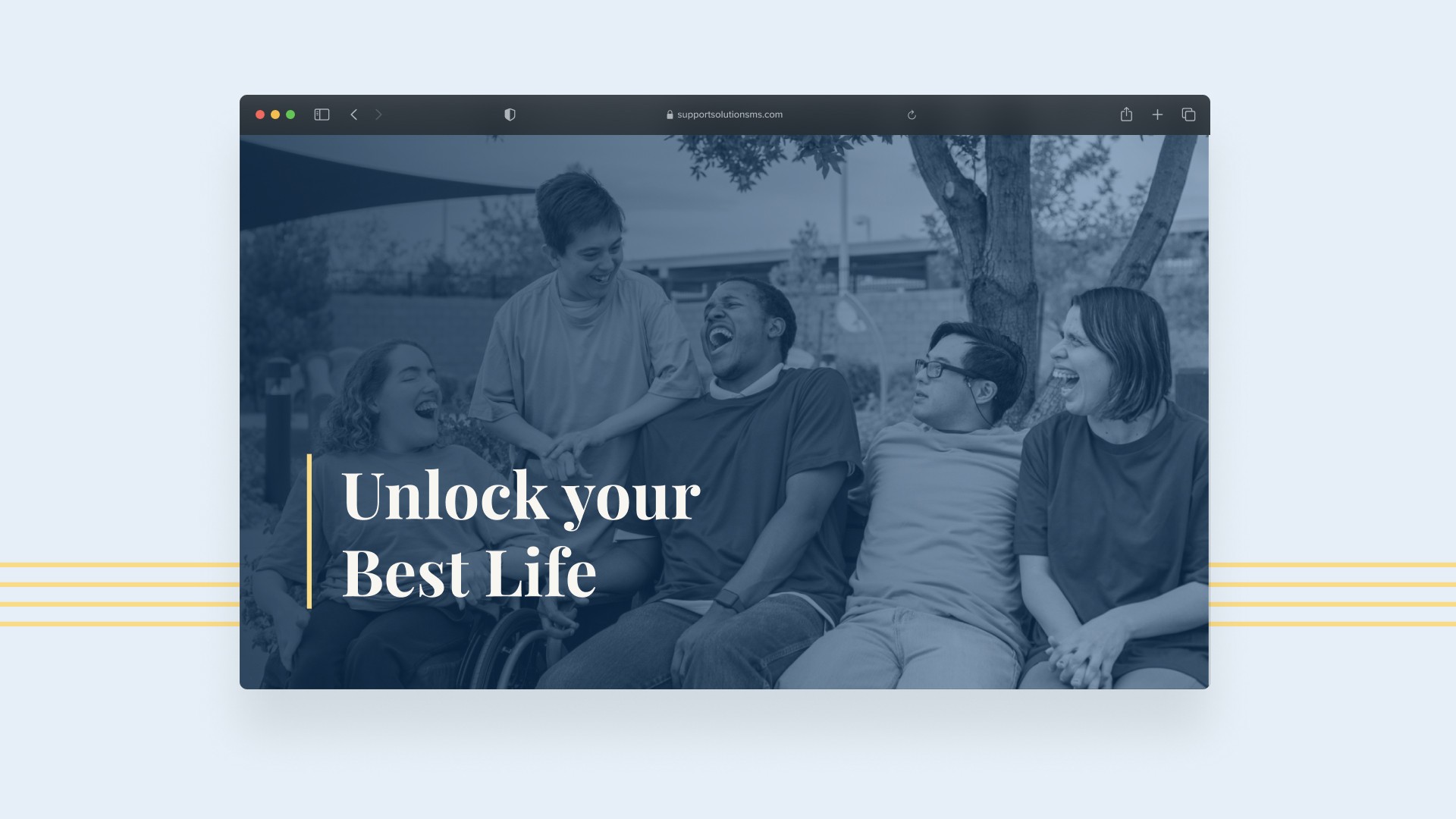
Support Solutions is a healthcare services organization supporting individuals with intellectual disabilities and their families. I led the redesign of their website to improve clarity, reduce friction for first-time visitors, and create a system that staff could confidently manage long-term. The result is a calm, accessible experience that supports multiple audiences while remaining easy to maintain and scale.

Support Solutions is a healthcare services organization supporting individuals with intellectual disabilities and their families. I led the redesign of their website to improve clarity, reduce friction for first-time visitors, and create a system that staff could confidently manage long-term. The result is a calm, accessible experience that supports multiple audiences while remaining easy to maintain and scale.

My Role

My Role

Lead UX/UI Designer

Lead UX/UI Designer

Timeline

Timeline

February to March 2024

February to March 2024

Tools

Tools

Figma, Webflow, Loom

Figma, Webflow, Loom

Disclaimer: This project has been anonymized and redesigned to honor confidentiality and NDA requirements. All branding, naming, and visual/UI details shown here are conceptual and do not represent the original client.

Disclaimer: This project has been anonymized and redesigned to honor confidentiality and NDA requirements. All branding, naming, and visual/UI details shown here are conceptual and do not represent the original client.

Disclaimer: This project has been anonymized and redesigned to honor confidentiality and NDA requirements. All branding, naming, and visual/UI details shown here are conceptual and do not represent the original client.

Problem & Context

Support Solutions serves a diverse group of users, including families seeking care, prospective employees exploring job opportunities, and internal staff managing content. The existing site had grown difficult to navigate, with unclear information hierarchy and outdated visuals that made it harder for users to find what they needed. At the same time, the organization had limited experience managing digital platforms, making long-term usability and maintainability just as important as the visual redesign. The challenge was to create an experience that reduced stress for users while empowering the client with a site they could confidently own and evolve.

Support Solutions serves a diverse group of users, including families seeking care, prospective employees exploring job opportunities, and internal staff managing content. The existing site had grown difficult to navigate, with unclear information hierarchy and outdated visuals that made it harder for users to find what they needed. At the same time, the organization had limited experience managing digital platforms, making long-term usability and maintainability just as important as the visual redesign. The challenge was to create an experience that reduced stress for users while empowering the client with a site they could confidently own and evolve.

Discovery & Understanding

01

Understanding User Needs Across Audiences

We began by reviewing the existing site alongside key stakeholders to understand how different audiences interacted with the platform. Families, job seekers, and staff each had distinct goals, which were not clearly supported by the existing structure. This helped us identify where content needed clearer separation, prioritization, and guidance.

Establishing a Clear Structural Foundation

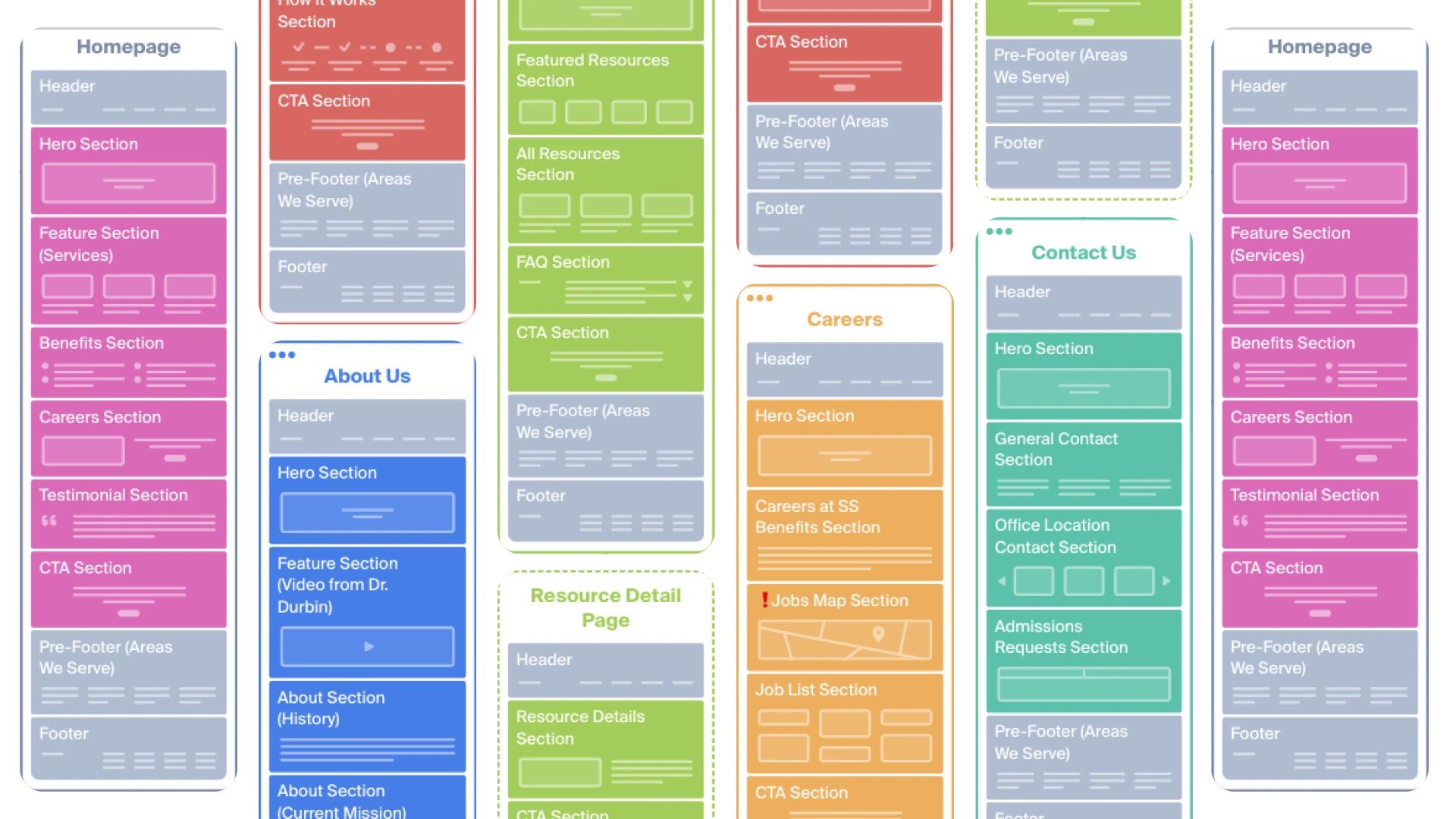
Using these insights, we defined a clearer sitemap and content architecture that reflected how users naturally approached the site. Content outlines and early layout planning helped align stakeholders early and set a shared direction before moving into visual design. This foundation ensured the experience remained focused, accessible, and scalable.

03

Identifying Friction and Information Gaps

As we audited pages and navigation patterns, we uncovered areas where users were likely to feel uncertain or overwhelmed. Important information was buried, content lacked clear hierarchy, and pathways between pages were not intuitive. These issues created unnecessary friction, especially for users already navigating emotionally sensitive situations.

02

Aligning on Structure and Direction

With a shared understanding of user needs and friction points, we worked closely with the client to translate insights into a clear, actionable direction. We refined the site’s information architecture, clarified page-level goals, and prioritized content in a way that balanced user clarity with organizational needs. Given the team’s limited experience managing digital platforms, we were intentional about creating a structure that would be intuitive to maintain long-term, allowing the design phase to move forward efficiently and with confidence.

Design Strategy in Practice

Turning high-level strategy into practical, human-centered design decisions.
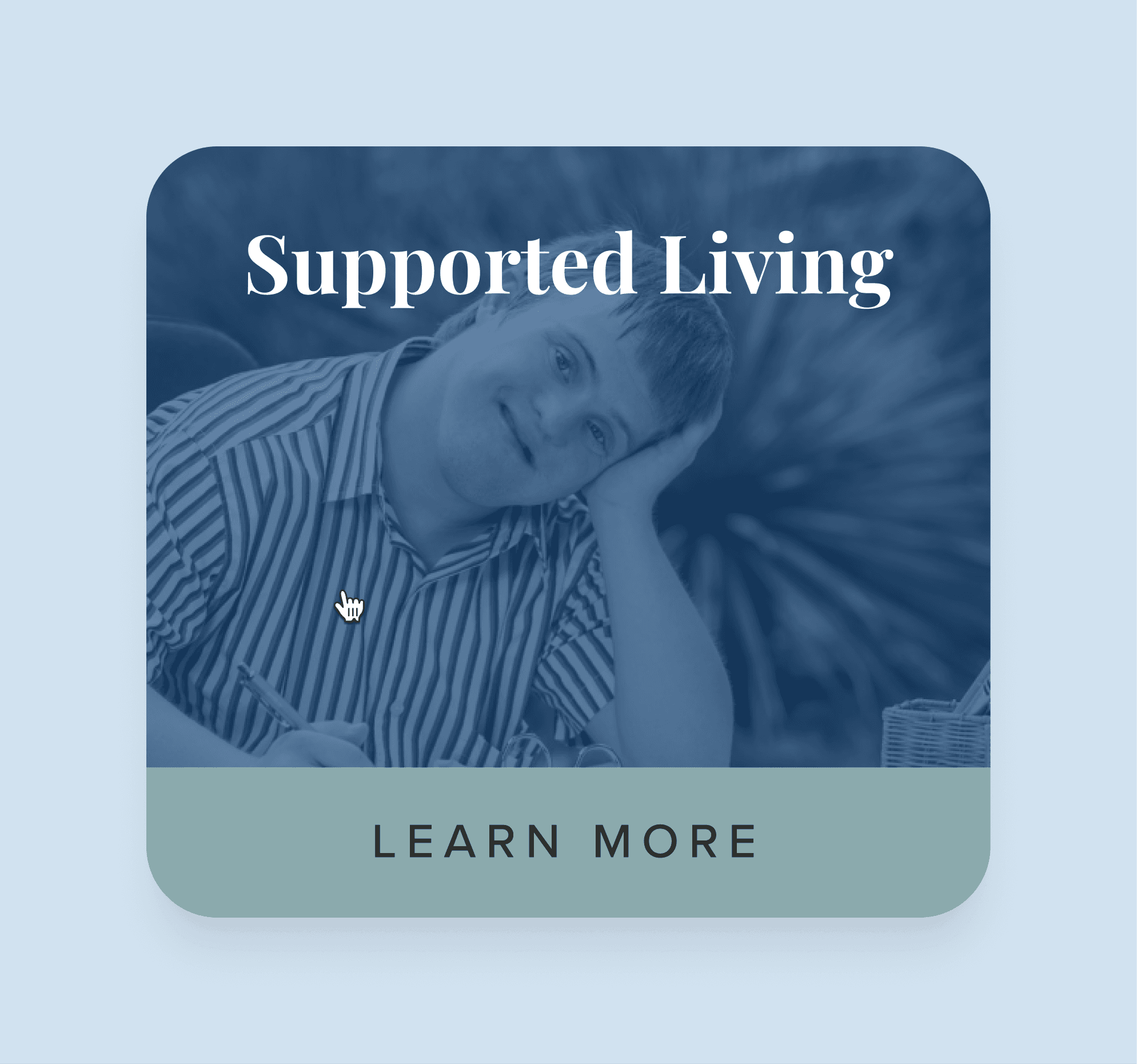
Clarity over complexity

Page layouts and navigation were designed to minimize guesswork. Clear headings, simplified pathways, and intentional spacing helped users understand where they were and what to do next.

Designing for emotional ease

Because many users arrive during stressful moments, the interface prioritizes calm visuals, approachable language, and predictable interactions to reduce anxiety.
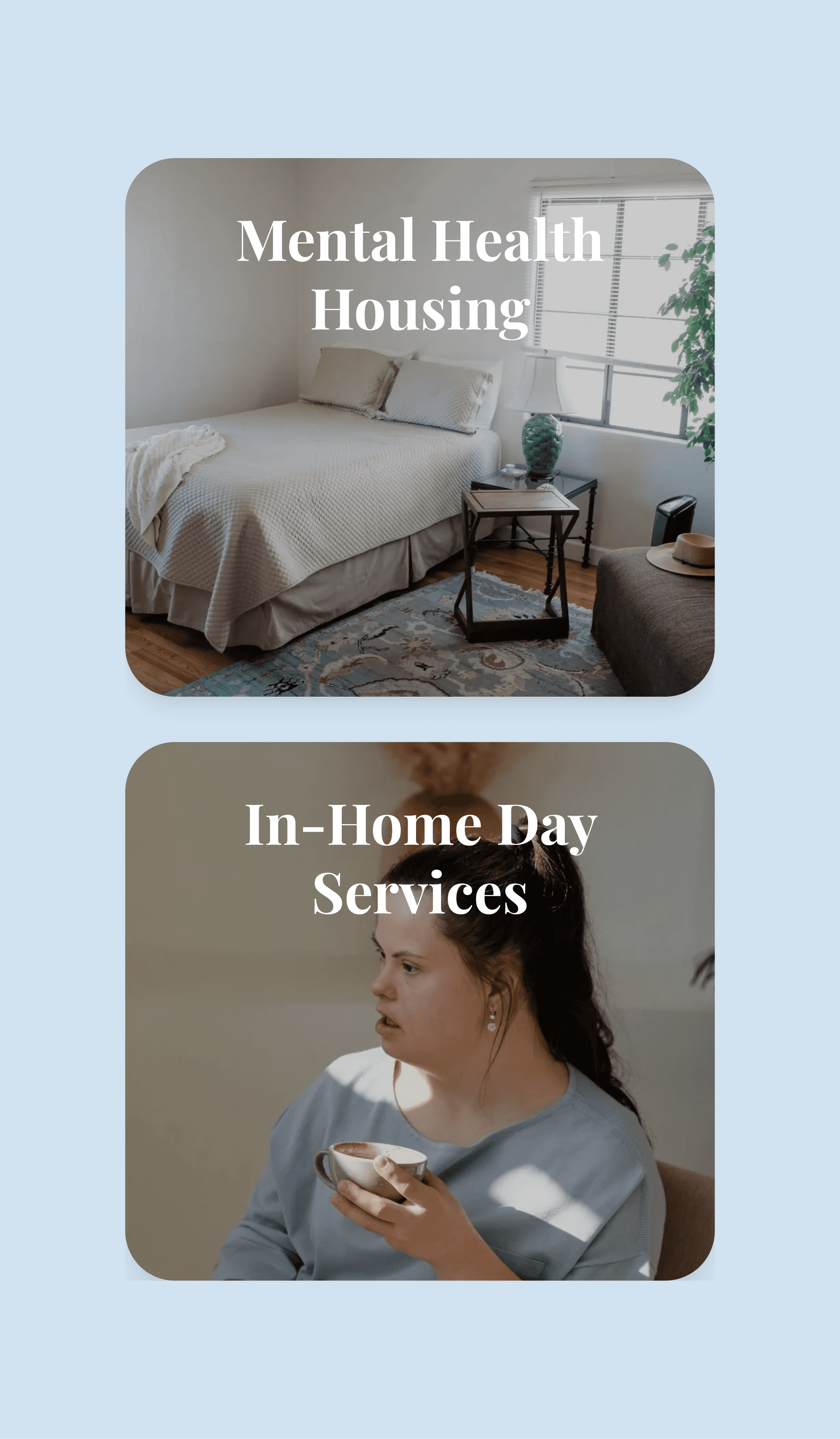
Scalable structure, not one-off pages

Scalable structure, not one-off pages
Scalable structure, not one-off pages

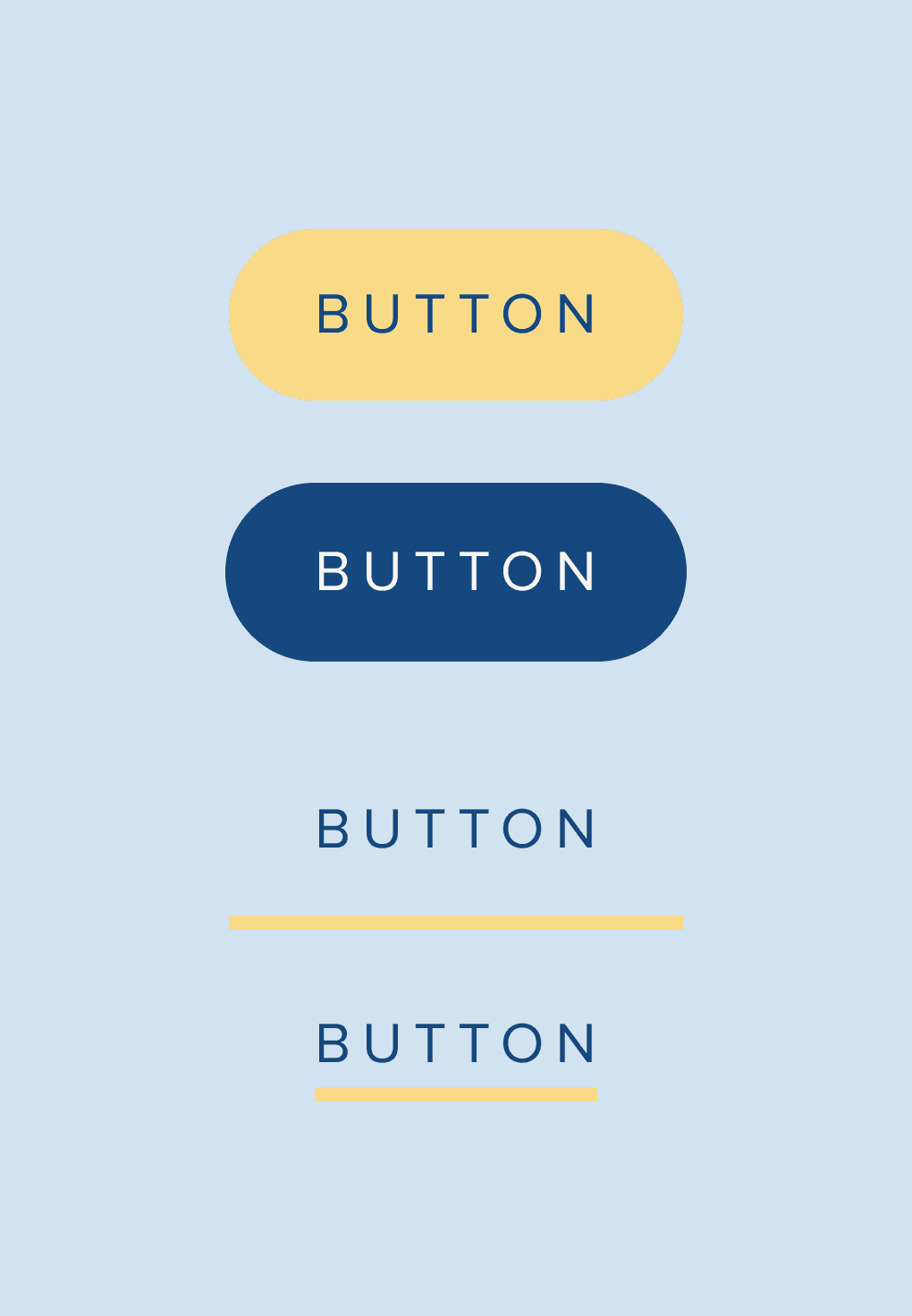
Typography, color choices, and layout decisions were made with accessibility in mind, ensuring content was easy to scan and understand across devices and abilities.
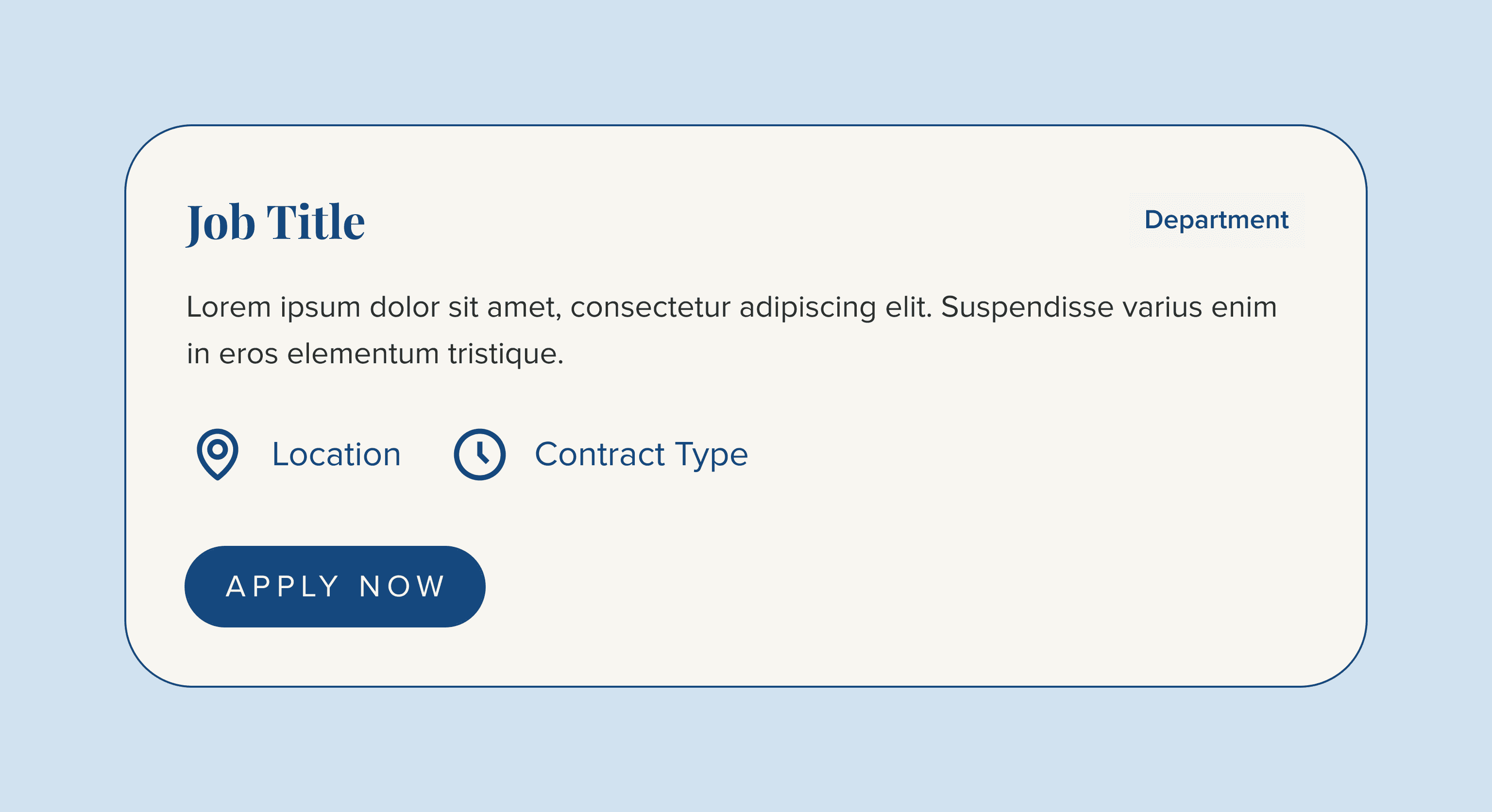
CMS-first thinking

Design decisions were informed by how content would be managed long-term. The site was structured so staff could confidently update content without design expertise.

Collaborative iteration

Throughout the project, collaborative iteration was key to aligning design decisions with both stakeholder goals and user needs. Rather than moving linearly from discovery to delivery, we established a rhythm of review, feedback, and refinement that ensured the site evolved with clarity and purpose.
Support through handoff

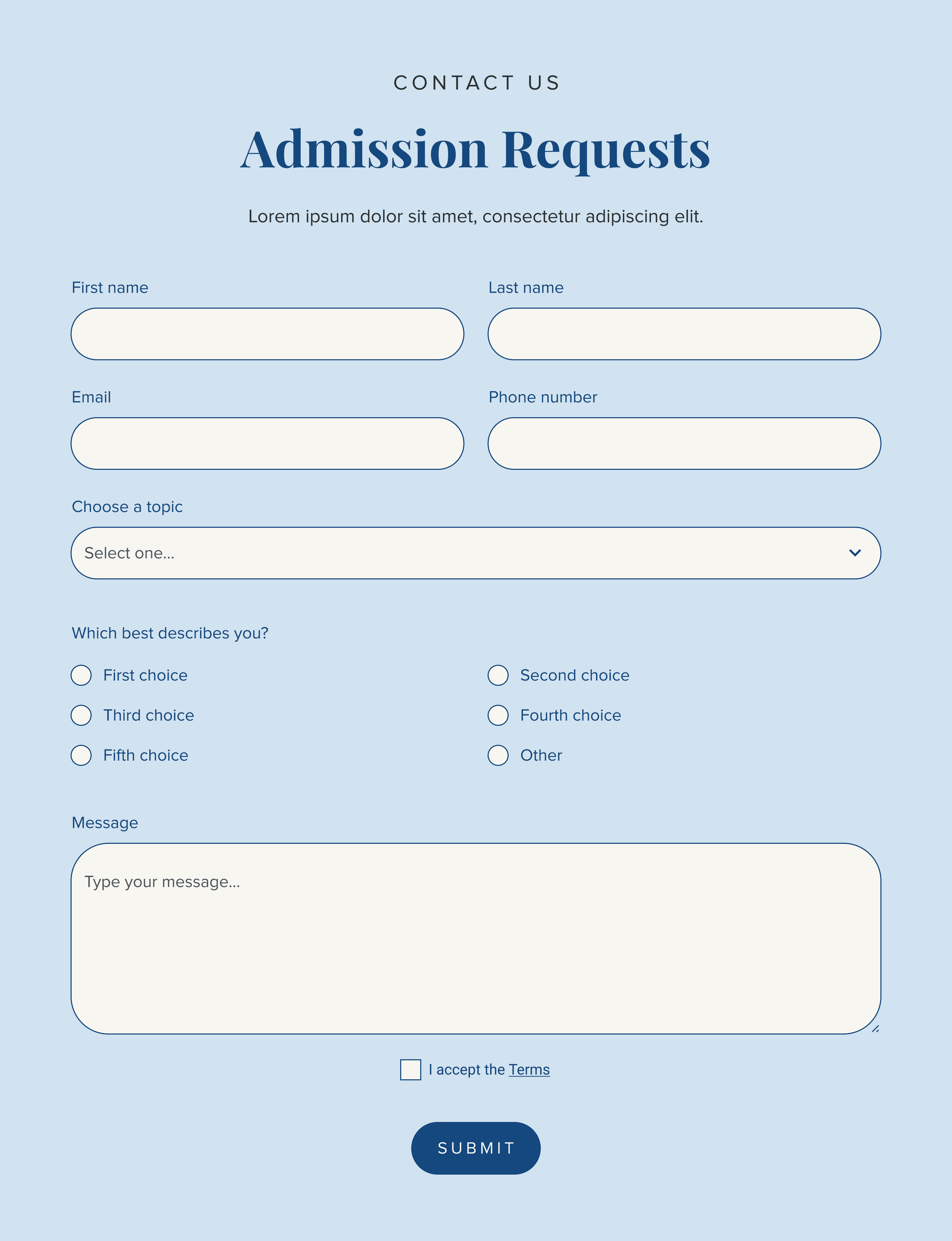
Detailed documentation and clear component usage ensured a smooth transition from design to build, reducing friction and rework during development.
Final Experience
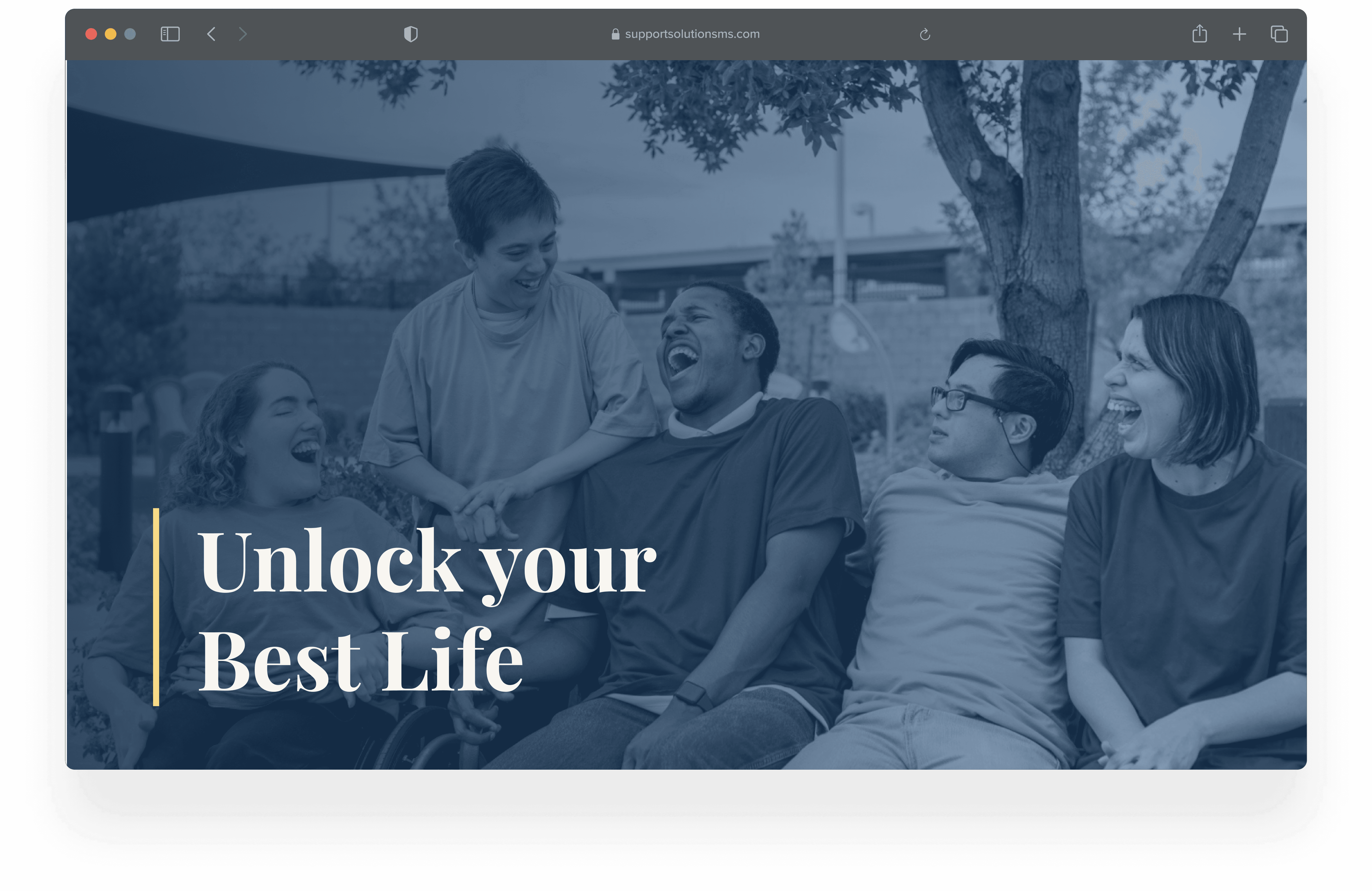
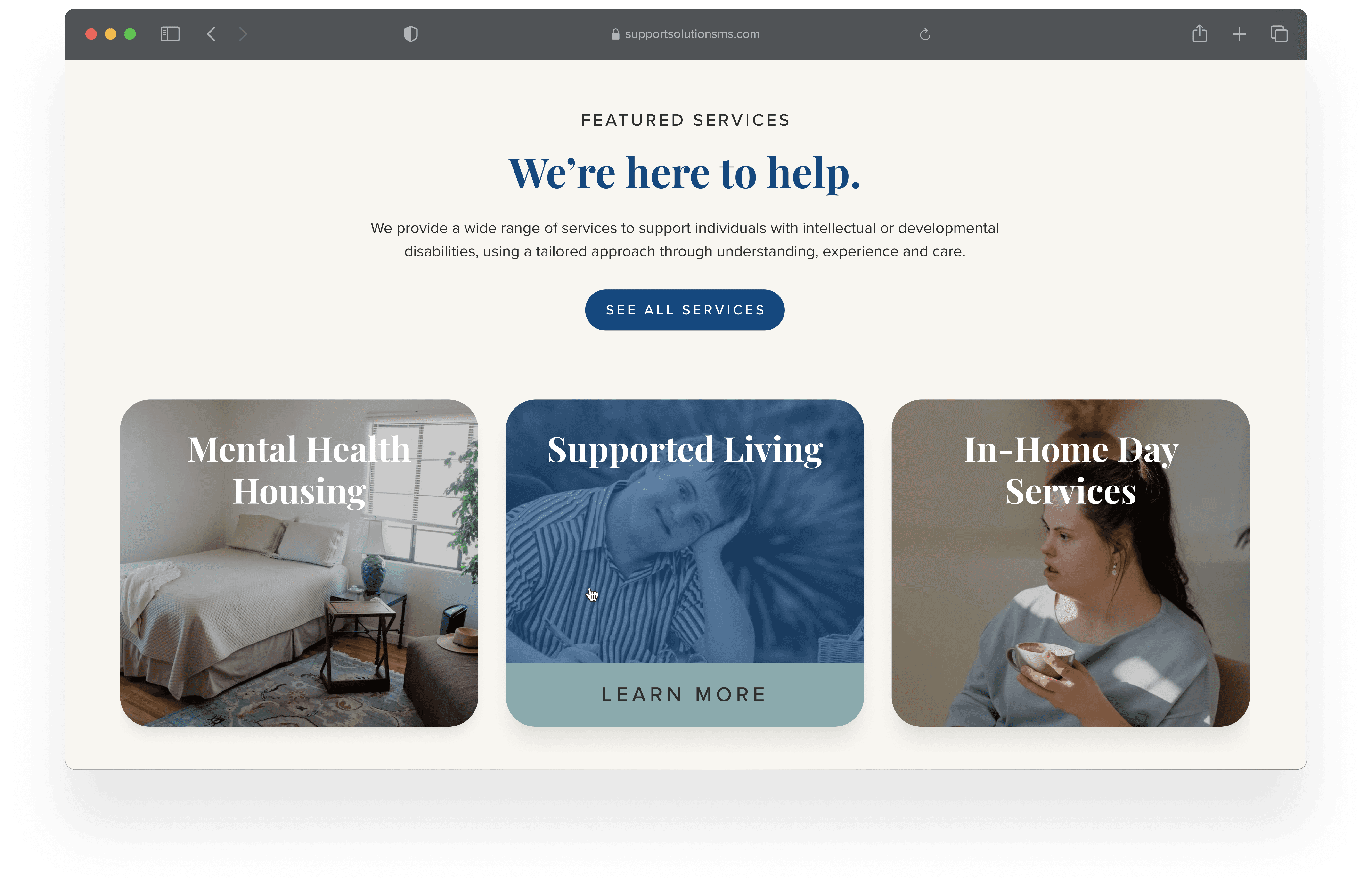
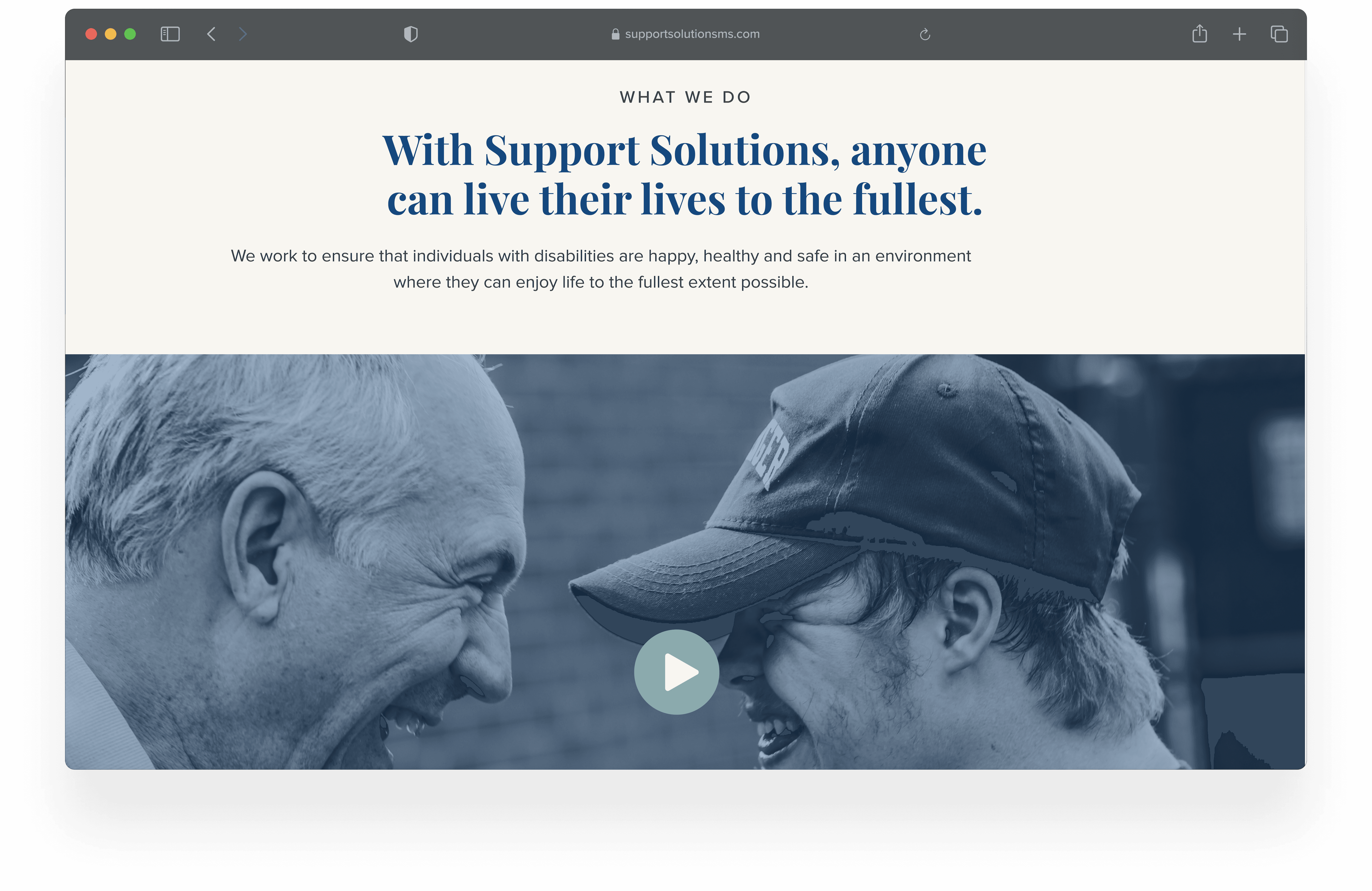
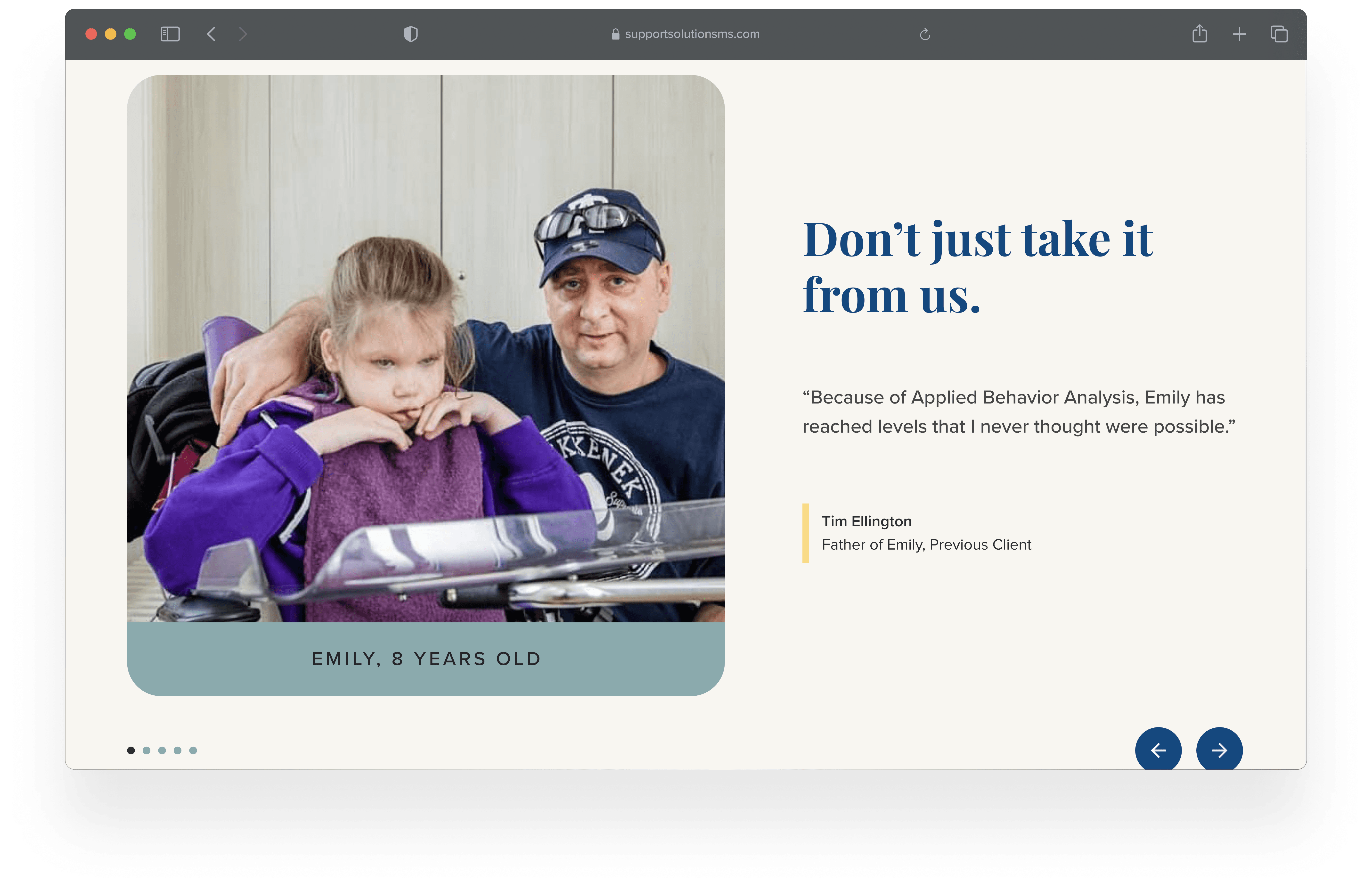
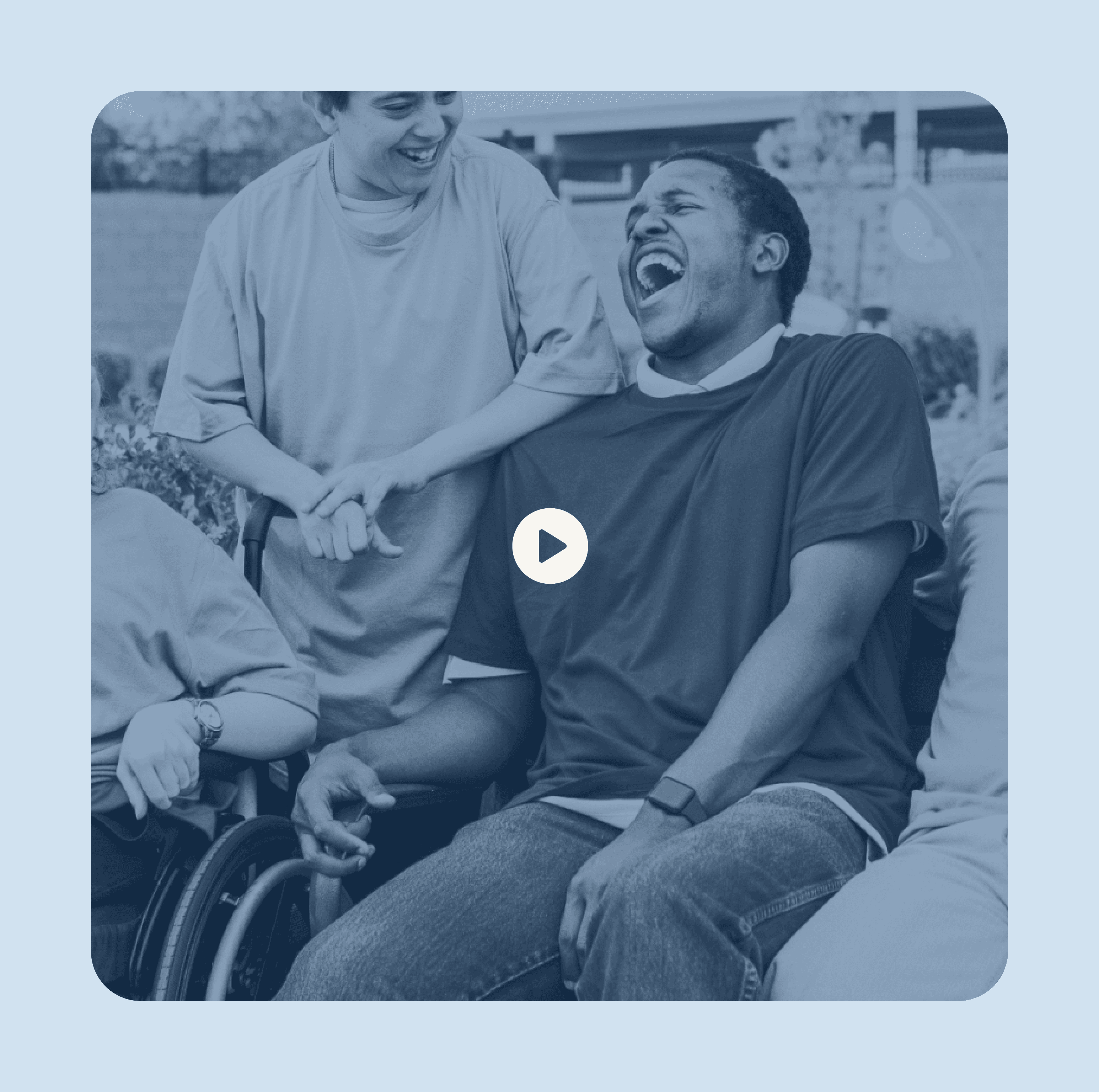
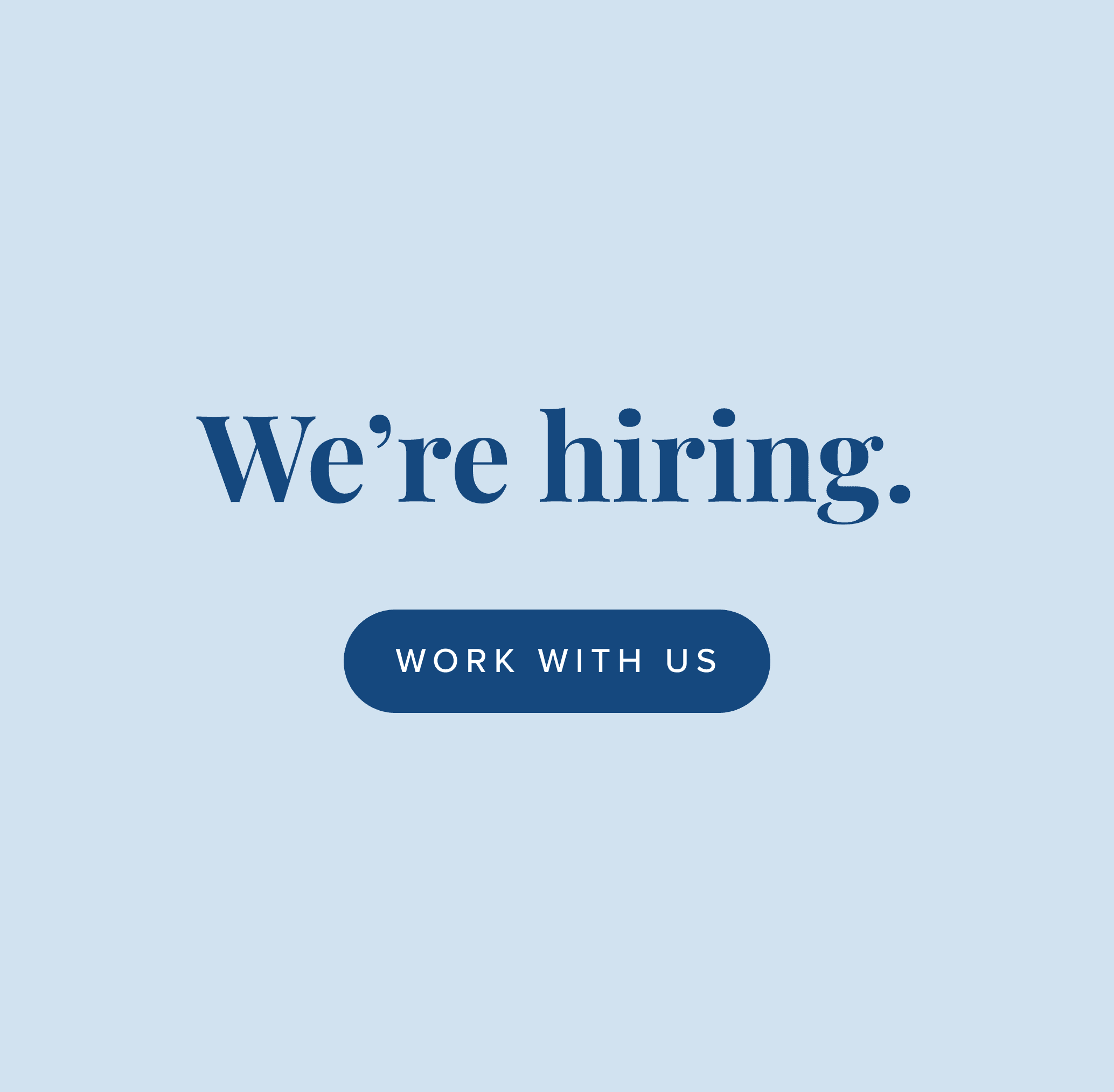
The final experience delivers a welcoming, easy-to-navigate platform that supports users with clarity and confidence. By balancing accessibility, structure, and maintainability, the redesigned site serves the needs of families, job seekers, and internal staff while remaining flexible for future growth. The result is an experience that not only reflects the organization’s values, but empowers their team to sustain and evolve it over time.

The final experience delivers a welcoming, easy-to-navigate platform that supports users with clarity and confidence. By balancing accessibility, structure, and maintainability, the redesigned site serves the needs of families, job seekers, and internal staff while remaining flexible for future growth. The result is an experience that not only reflects the organization’s values, but empowers their team to sustain and evolve it over time.

Ashlee Mellencamp

©

2026

Based in Chicago, IL

Ashlee Mellencamp

©

2026

Based in Chicago, IL